Quick Answer
To master non-alcoholic aperitifs, you must treat them as functional, bitter-forward ingredients rather than sugary mocktails. The key is to prioritize botanical depth, precise dilution, and high-quality glassware to replicate the ritual of an evening appetite-stimulant.
- Always serve with a citrus zest to unlock aromatic oils.
- Use tonic water or high-minerality soda to provide the ‘bite’ alcohol usually supplies.
- Pair with salty, fatty snacks to balance the inherent bitterness of botanical spirits.
Editor’s Note — Diego Montoya, Beer & Spirits Editor:
I firmly believe that most non-alcoholic ‘aperitifs’ are glorified fruit cordials, and they fail because they lack the structural bitterness required to actually wake up the palate. If you aren’t wincing slightly at the first sip, you’re missing the point of the pre-dinner ritual. I chose Grace Thornton for this piece because she understands that low-alcohol drinking isn’t about substitution; it’s about culinary chemistry. What most people miss is that the glass is just as important as the liquid inside. Pour your next drink into a heavy-bottomed tumbler and see if your attitude changes. Go find a bottle that lists gentian root as a primary ingredient.
The Ritual of the Pre-Dinner Pour
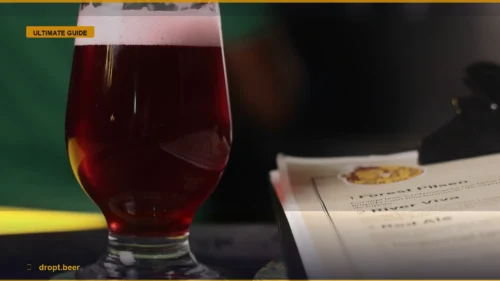
The ice clinks against the side of the glass—a sharp, high-pitched resonance that signals the workday is officially dead. You’re holding a stemmed coupe, the liquid inside a deep, sunset-crimson. It smells of cinchona bark, blood orange zest, and a faint, earthy whisper of wormwood. This isn’t just a drink; it’s a sensory boundary line between the chaos of the office and the rhythm of the evening meal. You don’t need a hangover to earn this moment.
The truth is, if your non-alcoholic aperitif tastes like a melted popsicle, you’ve failed the ritual. The goal of an aperitif, as defined by the WSET Level 1 Award in Spirits, is to stimulate the appetite through bitterness and aromatics. Alcohol has long been the vehicle for these flavors, but it’s no longer the only one. We are entering an era where craft distillers treat maceration with the same rigor as traditional vermouth producers. If you want to replicate the sophistication of a classic European hour, you have to stop looking for sweet juice and start looking for structural bitterness.
Seek Out The Bitters
The biggest mistake beginners make is buying products that mimic the sweetness of soda. That isn’t an aperitif; that’s a soft drink. You need to hunt for ingredients that utilize gentian root, quassia, or cinchona. According to the Oxford Companion to Beer—which covers the broader landscape of bitter brewing and botanical infusions—bitterness is the primary driver of the ‘appetite-stimulating’ effect. It triggers a physiological response, telling your brain that food is coming.
Look for brands like Lyre’s or Wilfred’s, but don’t stop there. Seek out smaller, craft-focused producers who aren’t afraid of a ‘medicinal’ finish. If it doesn’t leave a slight, lingering dryness on the back of your tongue, it’s not doing the job. You want that tension, that slight recoil, because it forces you to slow down and reach for a salty olive or a sliver of sharp cheddar to reset your palate.
The Physics of the Serve
When you strip away the alcohol, you lose the ‘burn’ that typically carries aromatic compounds to your nose. You have to compensate for this with temperature and texture. Never serve these drinks at room temperature. The chill of the ice isn’t just for refreshment; it tightens the liquid, making the bitter notes more crisp and defined. Use large, clear cubes that melt slowly, ensuring your drink doesn’t become a watery mess halfway through the conversation.
Glassware is equally vital. There’s a psychological component to the heavy stem of a wine glass or the weighted base of a rocks glass. If you pour a sophisticated botanical blend into a plastic cup, your brain registers it as juice. Use glass. It conducts cold, it feels substantial, and it reminds you that this is a deliberate pause in your day.
Citrus is Your Best Friend
A garnish isn’t just decoration. It’s an aromatic delivery system. When you express the oils of an orange or grapefruit peel over your drink, you’re adding a layer of volatile aromatics that hit your olfactory senses before the liquid even touches your lips. This is a trick bartenders have used for decades to mask the lack of complexity in lower-ABV drinks. If you’re using a non-alcoholic bitter, go for a grapefruit twist. The oils cut through the heavy herbal profile of the base, creating a brightness that keeps the drink from feeling stagnant.
The Importance of Dilution
Don’t be afraid of the soda gun. Many people treat their non-alcoholic spirits like whiskey, sipping them neat. That’s a mistake. These liquids are concentrated botanical extracts. They need a carrier to bloom. Whether it’s a high-minerality tonic or a splash of soda water, the bubbles act as a vehicle, lifting the essential oils out of the liquid and into the air. If you find your drink too aggressive, don’t reach for sugar; reach for more bubbles. A 1:3 ratio of spirit to sparkling water is the industry standard for a reason. It creates a light, effervescent, and highly drinkable experience.
Pairing for the Palate
The final secret is the food. Aperitifs are designed to be eaten with. Because you’re avoiding the heavy caloric load of alcohol, your palate is actually more sensitive. Pair your drink with something fatty or salty—marcona almonds, prosciutto, or even a classic crostini. The salt interacts with the bitterness of the drink, softening the rough edges and making the whole experience feel more integrated. It’s about the interplay between the glass and the plate.
At dropt.beer, we believe the best drinks are the ones that make you feel better after you’ve finished them, not worse. By mastering the balance of bitter, citrus, and bubble, you’re not just drinking a substitute; you’re participating in a centuries-old tradition of the evening transition.
Your Next Move
Replace your evening glass of wine with a high-quality non-alcoholic bitter served over a single large ice cube with a fresh citrus twist.
- [Immediate — do today]: Express a fresh orange peel over a glass of tonic water and ice to understand how much aroma a simple garnish adds.
- [This week]: Purchase one bottle of a craft non-alcoholic bitter that lists gentian or cinchona as a primary ingredient.
- [Ongoing habit]: Always pair your pre-dinner drink with a small portion of salty snacks to balance the botanical bitterness.
Frequently Asked Questions
Are non-alcoholic aperitifs healthy?
While they are generally lower in calories than traditional alcoholic spirits, many contain sugar to balance the bitterness. Always check the label for sugar content. They are a healthier choice if you are looking to avoid alcohol consumption, but they should still be treated as an occasional treat rather than a primary hydration source.
Can I use these in cooking?
Absolutely. Because they are often packed with concentrated herbs, spices, and bittering agents, they work beautifully in reductions or as a base for non-alcoholic deglazing. Use them as you would a dry vermouth in a pan sauce to add complexity without the alcohol content.
Do these drinks expire?
Yes. Because they lack the preservative qualities of high-proof alcohol, once opened, they should be stored in the refrigerator. Most bottles will stay fresh for four to six weeks. If you notice a change in color or a ‘flat’ taste, it’s time to replace the bottle.
What is the best way to store them?
Always keep your non-alcoholic aperitifs in the refrigerator once opened. The cool temperature helps maintain the delicate aromatic oils and keeps the flavor profile crisp. Avoid storing them in direct sunlight or near the stove, as heat will degrade the botanical extracts quickly.